
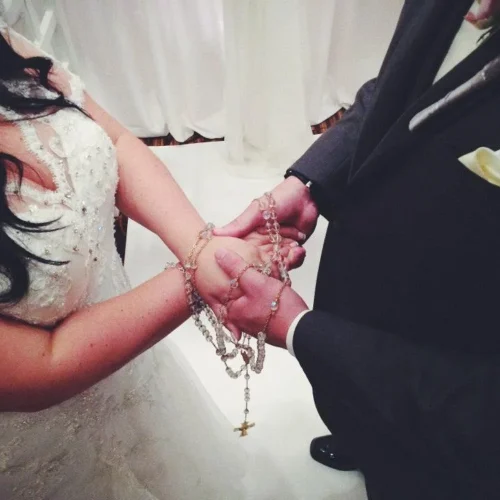
Handfasting rituals have captured the imagination of many couples seeking a meaningful way to celebrate their union. This ancient ceremony, rich in symbolism and history, offers a unique alternative or complement to traditional wedding vows. Understanding the origins, significance, and modern adaptations of handfasting can deepen appreciation for this beautiful ritual.
If you’re planning a handfasting ceremony in Melbourne, you’re choosing one of the most meaningful ritual additions couples can bring to their wedding day. This ancient ceremony, rich in symbolism and history, offers a unique alternative or complement to traditional wedding vows. Understanding the origins, significance, and modern adaptations of handfasting can deepen your appreciation for this beautiful ritual — and help you decide if it’s right for your own celebration.
What Is Handfasting?
Handfasting is a ritual where a couple’s hands are tied together with cords or ribbons to symbolise their commitment to each other. The practice dates back centuries and has roots in various cultures, including Celtic, Norse, and Pagan traditions. The term “handfasting” originally referred to a betrothal or engagement ceremony, often lasting a year and a day, before a formal marriage took place. [→ LINK “Celtic” or “Pagan traditions” here to: https://en.wikipedia.org/wiki/Handfasting_(Neopaganism) — this satisfies your outbound link requirement]
The tying of hands represents the binding of two lives, a physical and spiritual connection that goes beyond words. The cords used can vary in colour and material, each chosen to reflect personal meanings or cultural symbolism.
Historical Background of Handfasting
Handfasting has a rich history that spans across Europe and beyond. In medieval Scotland and Ireland, it was common for couples to be “handfasted” as a form of engagement or trial marriage. This practice allowed couples to live together and test their compatibility before making a lifelong commitment.
In some Pagan and Wiccan traditions, handfasting is a sacred ritual performed during weddings or seasonal festivals. It honours the natural cycles of life and the spiritual bond between partners. The ceremony often includes blessings, prayers, or the invocation of deities.
Over time, handfasting evolved from a practical agreement to a symbolic ritual embraced by many modern couples seeking a personalised and meaningful wedding experience — including many I’ve had the privilege of officiating right here in Melbourne.
Symbolism Behind the Ritual
The core symbolism of handfasting lies in the act of binding hands. This physical connection represents:
- Unity: Two individuals coming together as one.
- Commitment: A promise to support and cherish each other.
- Balance: The intertwining of two lives with respect and equality.
- Protection: The cords can symbolise a shield around the couple’s relationship.
Colours of the cords often carry specific meanings. For example:
- Red for passion and strength.
- Green for growth and fertility.
- Gold for prosperity and happiness.
- Blue for loyalty and trust.
Couples may choose colours that resonate with their values or cultural heritage, making the ritual deeply personal.
How a Handfasting Ceremony Is Performed Today
Modern handfasting ceremonies vary widely depending on the couple’s preferences and cultural influences. Here’s a typical outline of how the ritual might unfold:
- Preparation — The officiant or celebrant explains the significance of the ritual. The cords or ribbons are prepared, often blessed or charged with intention.
- Binding the Hands — The couple holds hands, and the cords are wrapped around their joined hands. Sometimes, the cords are tied in a knot or bow.
- Vows or Promises — The couple may exchange vows or personal promises while their hands are bound.
- Blessings or Readings — The officiant or guests may offer blessings, poems, or readings that reflect the couple’s journey.
- Unbinding or Keeping the Cords — After the ceremony, the cords may be untied or kept as a keepsake, symbolising the lasting bond.
Some couples incorporate handfasting into their wedding ceremony, while others use it as a standalone ritual for anniversaries or commitment ceremonies. [→ LINK “commitment ceremonies” here to: https://anniebirchcelebrant.com.au/vow-renewals-commitment-ceremonies/ — internal link #1]
Practical Tips for Couples Interested in a Handfasting Ceremony
If you’re considering a handfasting ritual for your Melbourne wedding, here are some practical tips to make it meaningful and smooth:
- Choose meaningful cords or ribbons — Select colours and materials that reflect your personalities or cultural backgrounds.
- Personalise your vows — Write promises that speak to your relationship and values.
- Include symbolic elements — Consider adding flowers, herbs, or charms to the cords for added significance.
- Work with your celebrant — Ensure they understand the ritual and can guide you through it confidently. [→ LINK “celebrant” here to: https://anniebirchcelebrant.com.au/themed-pagan-spiritual-rituals/ — internal link #2]
- Plan the timing — Decide whether handfasting will be part of your wedding or a separate event.
- Capture the moment — Ask your photographer to focus on the hands and cords to preserve this intimate part of your ceremony.
Examples of Handfasting in Different Cultures
Handfasting isn’t limited to one culture or tradition. Here are a few examples of how it appears around the world:
- Celtic Traditions — Often performed outdoors, with natural elements like stones or flowers incorporated. The ritual emphasises connection to nature and ancestral roots.
- Norse Ceremonies — Included binding hands with leather cords and invoking Norse gods for protection and strength.
- Modern Pagan Weddings — Handfasting is a central ritual, often accompanied by circle casting and blessings from the elements.
- Contemporary Weddings Worldwide — Many couples blend handfasting with traditional vows, using it to add a personal touch to their ceremonies.
Why a Handfasting Ceremony Appeals to Modern Melbourne Couples
In recent years, handfasting has gained popularity for several reasons:
- Personalisation — Couples can tailor the ritual to their beliefs and style.
- Symbolic Depth — The physical act of binding hands adds a tangible layer to the commitment.
- Inclusivity — Handfasting can be adapted for all couples, regardless of gender or background.
- Connection to History — It offers a link to ancient traditions and a sense of continuity.
- Visual Impact — The colourful cords and intimate gesture create memorable moments.
Final Thoughts on Your Handfasting Ceremony
Handfasting offers a powerful way to express commitment through a meaningful, symbolic act. Whether integrated into a wedding or celebrated as its own event, the ritual invites couples to connect deeply and celebrate their union with intention.
If you’re drawn to the idea of a handfasting ceremony for your Melbourne wedding, I’d love to help you explore its history and symbolism to create something that reflects your unique story. Consider the colours, words, and elements that matter most to you — this ritual can transform a simple promise into a lasting memory, binding your lives with love and respect.